A good pub quiz is one of the cheapest, most reliable nights a pub can put on — and one of the most satisfying things to run. It takes a couple of evenings of preparation, a stack of answer sheets and the nerve to stand in front of a room full of people who are convinced they know more than you do. You do not need to be a walking encyclopaedia. You need to be organised, fair and quick on your feet. Here is how to build a quiz night from scratch.
1. Fix the shape of the night first
Before you write a single question, decide what the evening actually looks like. A quiz should run for roughly two hours, including one break. Start at eight, finish by ten, and people will come back next month.
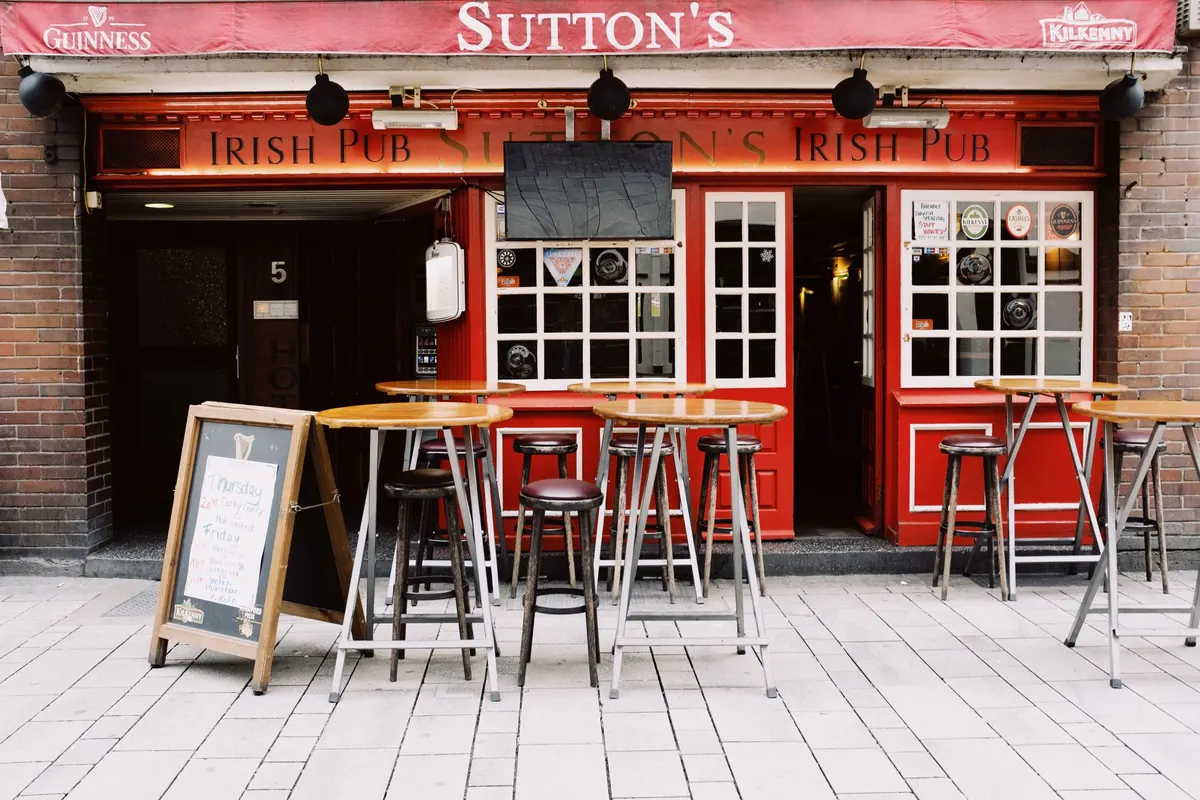
Then settle the practical details with whoever runs the pub: a quiet corner, a working microphone, enough table space, and a start time that does not clash with the football.
Most quizzes work best with teams of up to six. Charge a small entry per person — enough to make winning feel worthwhile, not so much that people stay at home. Either hand the takings back as prize money or ask the pub to match it with a bar tab. Agree that in advance so nobody is disappointed on the night.
2. Build your rounds
Six rounds of ten questions is the classic format for a reason: long enough to feel like a proper contest, short enough to fit into two hours.
A reliable running order looks like this:
- Round one: gentle general knowledge. Easy questions to settle everyone in.
- Round two: a picture round. Handed out on paper and marked at the end, so slower teams always have something to do.
- Round three: music, film or television. Play short clips or read out lyrics — if you use audio, test the sound well before the night.
- Round four: the hard one. This is where the quiz is usually won.
- Round five: a theme. Geography, sport, history, food — whatever suits your regulars.
- Round six: something quick and silly. Anagrams, "name the year", or a rapid-fire round worth double points.
Put the break after round three, when attention starts to dip and the queue at the bar is still short.
Order questions by difficulty within each round, too. Start with one anybody can get, and let the last two or three separate the teams at the top of the table.
3. Write questions that hold up
Bad questions lose you a quiz night faster than a bad microphone. The main offenders are ambiguity ("Which actor played...?" when two actors did), questions that depend on a detail nobody could reasonably know, and answers that only work if the quizmaster pronounces something correctly.
A few rules keep you out of trouble:
- One question, one answer. If you can only defend a question by explaining it, rewrite it.
- Read every question aloud before the night. If you stumble over it, so will the teams.
- Mix the eras. Not everything should come from the last five years.
- Avoid anything where the answer is a matter of opinion rather than fact.
- Keep a spare question for every round. You will need at least one.
If a question turns out to be genuinely unfair, throw it out and give every team the point. It costs you nothing and buys you a great deal of goodwill.
4. Marking and scoring without chaos
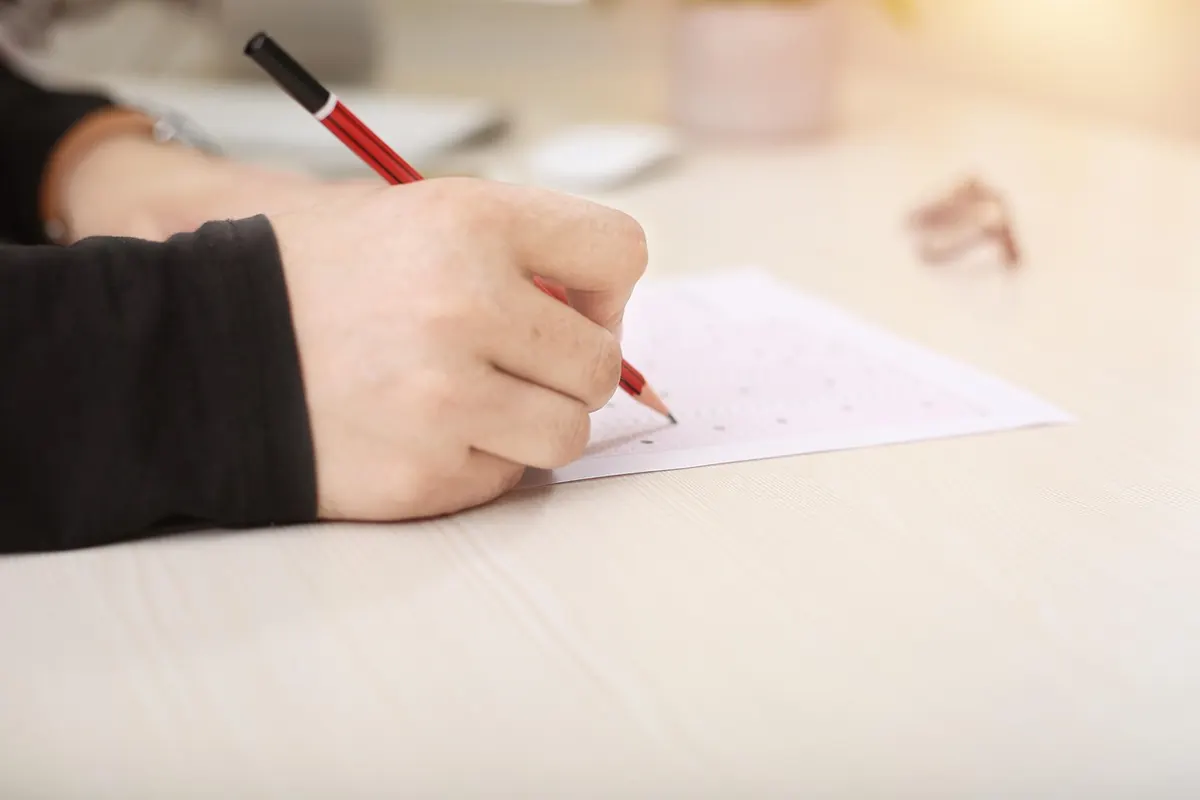
Keep it simple: one point per correct answer, no half points unless you enjoy arguments. Teams write their answers on a numbered sheet with the team name at the top, and swap sheets at the end of each round for marking. Read the answers out yourself, slowly, twice.
Picture rounds and handouts get one point per item. Announce the scores at the halfway break and again before the final round, so teams know whether they need to take a risk.
Ties are settled with a guess question. Pick one you can verify against a reliable source — the distance between two towns, the year a building opened, the number of steps in a famous tower — and award the win to the closest guess. Never use a figure you only half-remember.
Bring more pens than you think you need, along with a clipboard, spare answer sheets and a calculator.
5. Keeping the room on your side
Pace matters more than material. Read each question once, repeat it once, then move on. Long pauses between questions are what kill a quiz night, not difficult questions.
A few habits worth building:
- Tell teams how many questions are left in each round.
- Let the groans and cheers happen. That noise is the point.
- Read out the team names. A good team name is half the entertainment.
- Settle disputes quickly and cheerfully: "Fair point — everyone gets the point."
- Ask for phones face down on the table. Say it once, gently, and do not turn into a referee.
- Keep music low between rounds, and switch it off entirely while you are talking.
You are the host, not the headmaster. If a team is laughing and arguing about question nineteen, the night is working.
6. The ten minutes before you start
Most quiz disasters are logistical rather than intellectual. Run through this list before the first team sits down:
- Question sheets printed, with the answers on a separate page.
- Answer sheets, pens and picture handouts — plus a spare set of everything.
- Microphone tested, with a spare cable if you have one.
- Prizes ready and visible, so people can see what they are playing for.
- The tie-break question written down, with its verified answer.
- The date of the next quiz, ready to announce before anyone leaves.
Then start on time, even if the room is half full. Word gets round that your quiz begins when it says it will, and latecomers learn quickly. Finish with the winners, the prize and a firm date for next month. Do that three times and you will not need to advertise again.
Photo: ready made / Pexels